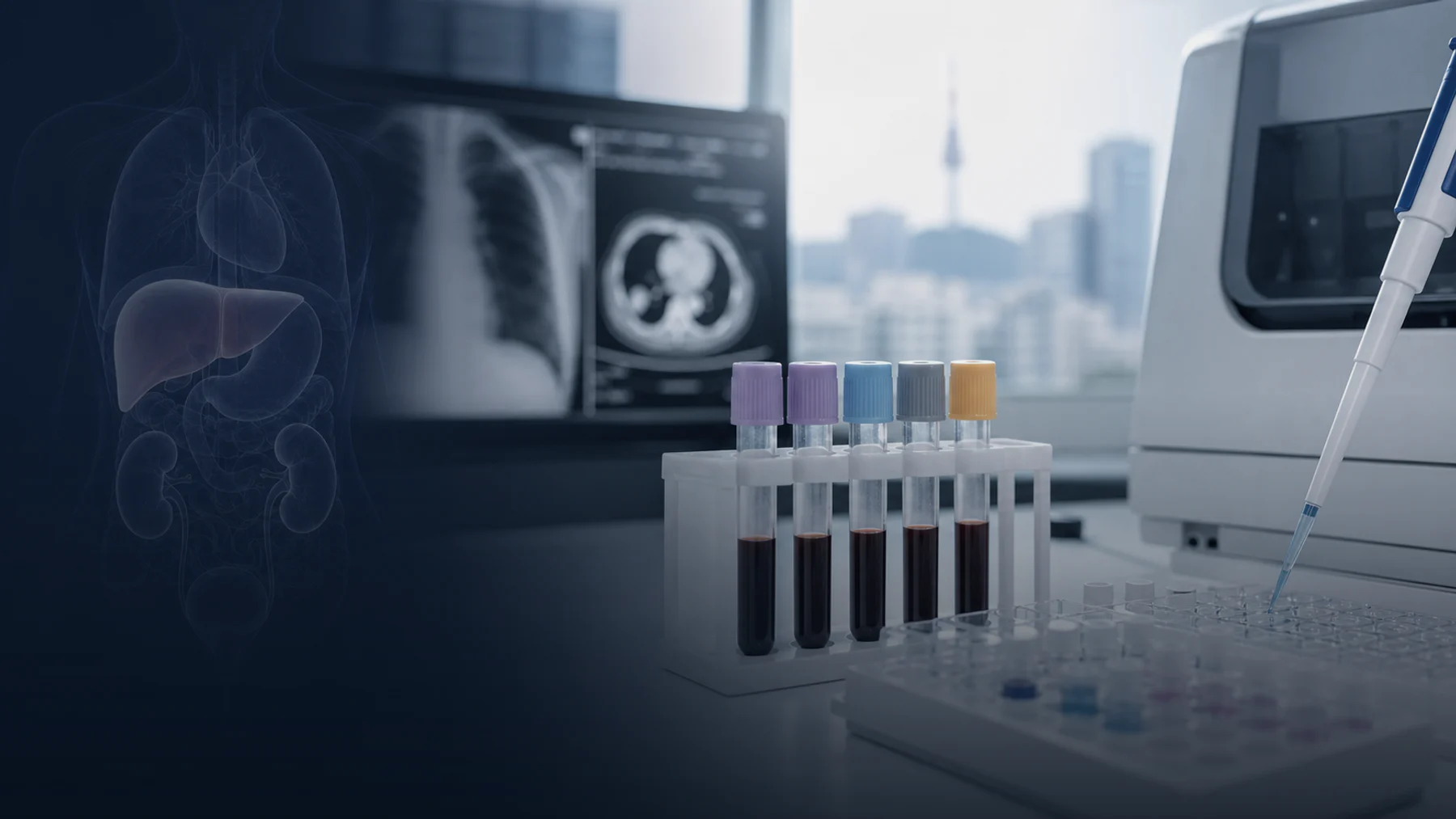
Tests · Tumor marker panel

A blood draw.
Read alongside your imaging, not instead of it.

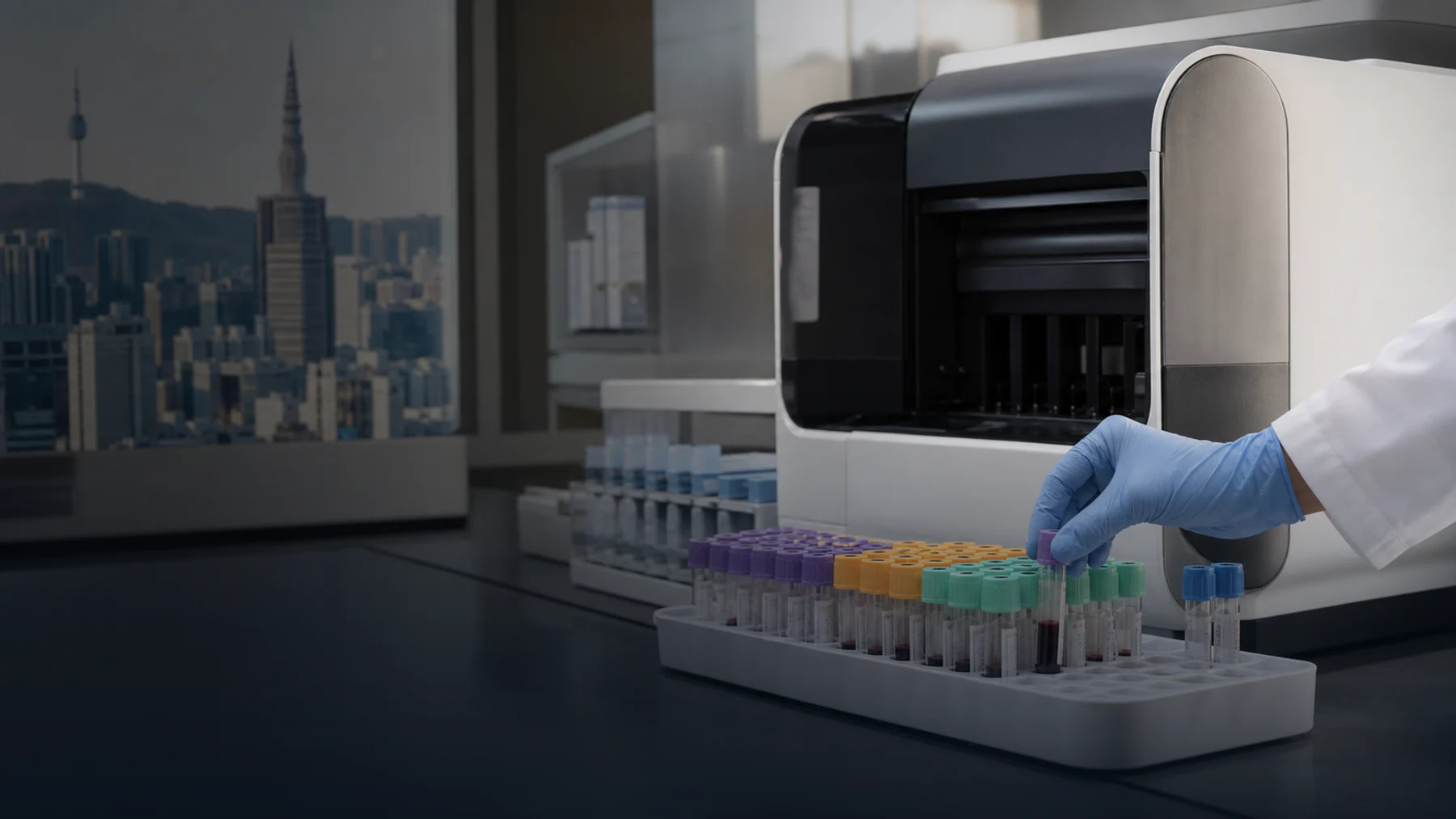
A tumor marker panel is a blood test measuring proteins that can be elevated in certain cancers, used as a supporting data point alongside imaging rather than a stand-alone diagnostic test. One draw covers the standard panel.
5 min
Draw time

A single blood draw.

0 mSv
Radiation dose

A laboratory test, not imaging.

₩500,000
Cheapest program including them

Medione A. Basic Health Checkup, which lists CA19-9, AFP and CEA, with CA-125 added for women. (≈$373)

₩500,000
The other entry program

KMI STANDARD, which lists AFP and CEA in its blood panel at the same price. (≈$373)

From 1 wk
Earliest slot

One week is the earliest an imaging slot can be held, and there is no referral step before it.

~1 wk
Full written report

English report in your hands in about a week. You also get a consultation on preliminary findings on the day of the screening, before you leave.

Programme contents and prices from each partner centre's own foreigner-facing published list, read 2026-08-05: KMI Global and Hanaro Medical Foundation's English site. Standalone per-test prices are a Korean partner centre's 비급여 (non-covered) posting, the itemised list 의료법 제45조 requires a clinic to publish, read the same day. Scheduling and report turnaround are Meridiko's own operating figures, confirmed 2026-08-06, not a centre's published ones (https://global.kmi.or.kr/examination/foreigner_examination; https://en-mobile.hanaromf.com/program/prog01/prog01_01.jsp), measured 2026-08-05. Dollar figures are converted from each centre's won price at ₩1,342 = $1 (open.er-api.com, 2026-09-13). The won figure is the price; the pairing moves with the rate.

What it finds, and what it does not

What it finds, and what it does not.

Elevated levels of specific proteins associated with certain cancers, useful as a supporting signal alongside imaging and clinical history.

Tumor markers are neither sensitive nor specific enough to diagnose or exclude cancer on their own. A normal result does not rule out cancer, and an elevated one is not itself a diagnosis; both need to be read with your imaging and your own doctor.

Suitability

Who it suits, and who should not have it.

Suits: Anyone undergoing a comprehensive screening who wants this data point recorded alongside their imaging results.

Should not have it: Anyone expecting a stand-alone answer from this test alone. It is not designed to be read that way, and no reputable clinic should present it as one.

In context

How it differs from the related test.

Imaging (whole-body MRI, low-dose chest CT) looks for structural findings directly; a tumor marker panel is a blood chemistry signal that supports, but does not replace, imaging.

Which tier includes it

Not itemised on any tier.

Every package this site prices includes a tumour-marker panel, at all four partner centres, so the band makes no difference to whether you get one. What differs is which markers, which is why the panel is worth reading by name. See /pricing/.

SEE THE FULL TIER LADDER
Related tests

Often booked together.

Full blood panel

The baseline every program includes. Because the scans need context.

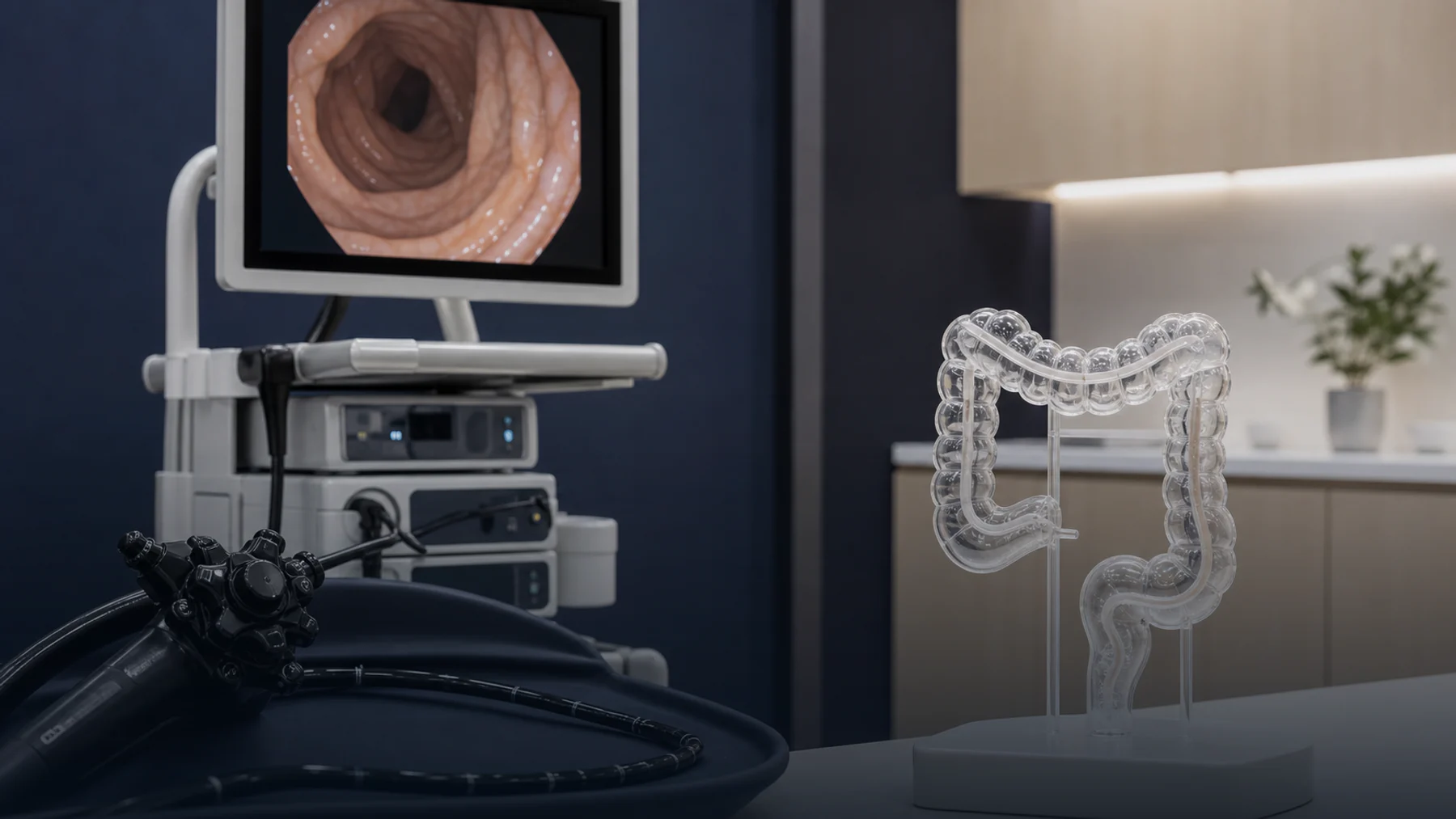
Colonoscopy

The test with a three-day wait. Not a three-month one.

FAQ

Questions worth asking before you book.

Can a tumor marker test diagnose cancer?
No. It is a supporting data point, not a diagnostic test on its own. Elevated markers can have non-cancer causes, and many early cancers do not raise markers at all.
What happens if a marker is elevated?
Your report flags it alongside your imaging results; your own doctor decides what, if anything, warrants further investigation.
Do I need to fast before this blood draw?
Typically not for the tumor marker panel specifically, but if it is drawn alongside other bloods that do require fasting, your coordinator sends combined instructions.